1029 이태원 참사
Five Stationary Bikes Projects For Any Budget
페이지 정보

본문
The Ultimate Guide to Stationary Bikes: A Deep Dive into Benefits, Types, and Buying Considerations
In the ever-evolving landscape of physical fitness devices, stationary bicycles have taken a niche as a staple for home exercises, health clubs, and rehab centers alike. Whether you're a hopeful bicyclist, a physical fitness beginner, or someplace in between, comprehending the kinds of stationary bicycles, their benefits, and key purchasing considerations can help you make a notified decision. This extensive guide will offer you with all the info you need while addressing common concerns about stationary bicycles.
The Benefits of Stationary Bikes
Stationary bicycles offer a myriad of benefits, making them a popular choice for numerous physical fitness lovers. Below are a few of the most noteworthy advantages:
| Benefit | Description |
|---|---|
| Cardiovascular Fitness | Stationary biking increases heart rate, improving general cardiovascular health. |
| Low Impact Exercise | Offers an excellent mini cycle exercise bike without worrying the joints, making it suitable for all physical fitness levels. |
| Weight Management | Aids in burning calories efficiently, adding to weight-loss or maintenance. |
| Convenience | Permits workout flexibility, enabling users to exercise at any time, regardless of climate condition. |
| Customizable Workouts | Many bikes use adjustable resistance and predetermined programs for different strength. |
| Very Little Space Required | Compact designs are offered, making them appropriate for small home exercise bike. |
Types of Stationary Bikes
There are three main types of stationary bicycles, each serving various fitness goals and preferences. Below is an in-depth comparison:
| Type | Description | Pros | Cons |
|---|---|---|---|
| Upright Bikes | These bikes resemble traditional bikes with a comfortable seat and handlebars. | - Engages core muscles - Compact style | - May cause pain for long trips |
| Recumbent Bikes | Features a reclined seating position, enabling back assistance. | - Excellent back support - Comfortable for long periods | - Larger footprint - Less core engagement |
| Spin Bikes | Designed for high-intensity period training, these bikes look like roadway bikes but are typically more robust. | - Great for extreme exercises - Adjustable resistance for different skill levels | - May be unpleasant for newbies - Typically do not have back support |
What to Consider When Buying a Stationary Bike
When picking a stationary bicycle, several factors ought to be weighed to make sure the best fit for specific needs.
Budget plan: Stationary bikes been available in different price ranges. Setting a spending plan helps limit options.
Space: Consider the size of the bike and where it will be put. Measuring your area guarantees the bike fits easily.
User Experience: Assess the convenience of the bike's seat, handlebar adjustability, and ease of use.
Resistance Types: Look for bikes with magnetic, friction, or air resistance, depending on chosen workout strength.
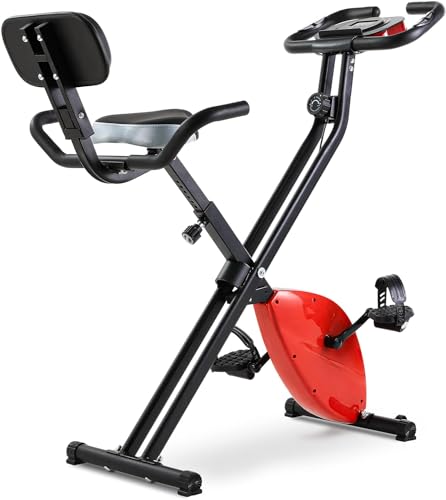
Features: Modern bikes might come geared up with digital screens, Bluetooth connection, built-in exercise programs, and heart rate screens.
Weight Capacity: Ensure the bike can support the user's weight. A lot of designs will have a specified weight limit.
Guarantee and Maintenance: Check for service warranty coverage and ease of upkeep to avoid future headaches.
Regularly Asked Questions (FAQ)
1. How reliable is stationary cycling for weight reduction?
Stationary cycling can successfully help weight reduction when combined with a balanced diet. The number of calories burned throughout a session varies based on strength and duration, with quotes varying from 400 to 800 calories per hour.
2. For how long should I ride a stationary bike for ideal outcomes?
For cardiovascular benefits and weight-loss, it's advised to go for at least 150 minutes of moderate exercise equipment (pop over here) or 75 minutes of vigorous exercise bikes for sale each week, which can be broken down into much shorter sessions throughout the week.
3. Are stationary bicycles appropriate for any ages?
Yes, stationary bicycles are ideal for people of all ages, supplied the user has no hidden health conditions preventing them from working out. Constantly seek advice from a doctor if uncertain.
4. Can I build muscle with stationary cycling?
While stationary cycling primarily focuses on cardiovascular fitness, it can help tone the leg muscles, particularly the quadriceps, hamstrings, and calves, particularly when high resistance is used.
5. Do I require special shoes for biking on a fixed bike?
While unique biking shoes can enhance performance, especially on spin bikes, they are not compulsory. Most fixed bikes featured basic pedals that accommodate routine athletic shoes.
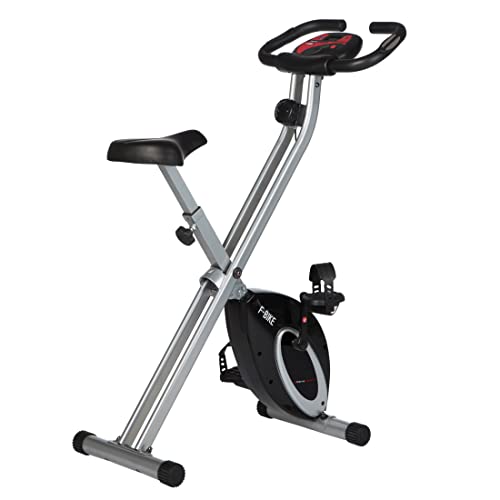
Stationary bikes function as an exceptional tool for attaining a range of fitness objectives, from enhanced cardiovascular health to weight management and muscle toning. Whether you choose the upright position of timeless bikes, the convenience of recumbent designs, or the high-intensity workouts provided by spin bikes, there is a fixed bike to fit every individual's requirements.
Before buying, it's important to consider aspects such as spending plan, area, and user experience. With the ideal information and guidance, anyone can discover a stationary bicycle that not only fulfills their physical fitness requirements however also motivates them to keep a consistent exercise bike for sale regimen. Embrace the advantages of stationary biking and pedal your way to a much healthier way of life!
- 이전글010인증 팔아요 | 탤레그램 NEXONid | N사중고나라계정판매 26.05.13
- 다음글미프진판매 미프진구매가격 낙태법관련 26.05.13
댓글목록
등록된 댓글이 없습니다.