1029 이태원 참사
Condensation In Windows Tools To Streamline Your Daily Lifethe One Con…
페이지 정보

본문

Understanding Condensation in Windows: Causes, Effects, and Solutions
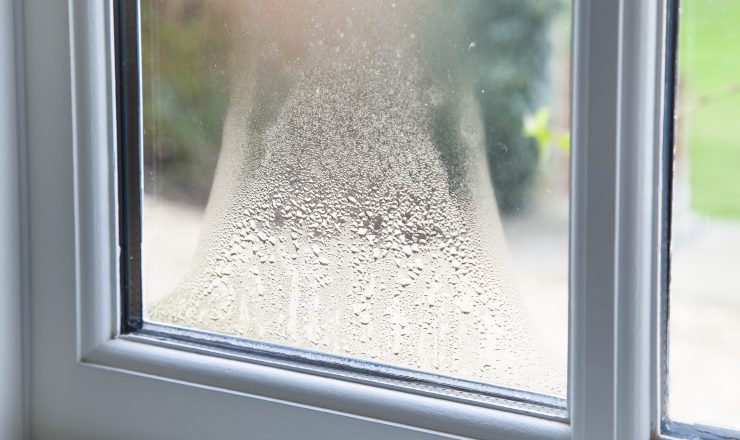
Condensation on windows is a typical phenomenon that lots of property owners come across, especially during cooler months. While it may look like a minor trouble, understanding the domino effects of window condensation can assist property owners take suitable procedures to alleviate its effect. This post explores the science behind window condensation, its prospective effects on homes, and reliable solutions for handling this issue.
What is Window Condensation?
Condensation occurs when warm, moist air enters contact with a cooler surface, such as a windowpane. The water vapor in the air cools and changes back into liquid, forming beads on the window. This process is affected by temperature level, humidity levels, and the insulation properties of the window.
Table 1: Key Factors Contributing to Window Condensation
| Aspect | Description |
|---|---|
| Temperature level | Colder surface areas cool the air, leading to condensation. |
| Humidity | Greater humidity levels increase the potential for condensation. |
| Ventilation | Poor air blood circulation traps moisture in your home. |
| Window Type | Single-pane windows are more vulnerable to condensation than double or triple-pane windows. |
Causes of Window Condensation
Understanding the causes of window condensation can help in resolving the problem successfully. Here are some common contributors:
High Interior Humidity: Activities like cooking, bathing, and drying clothing indoors can substantially increase humidity levels in a home.
Poor Insulation: Windows that are not effectively insulated will be colder, causing moist air to condense more readily on their surface areas.
Temperature Differences: A stark contrast between indoor and outside temperature levels can cause increased condensation, specifically in cold weather.
Absence of Ventilation: Inadequate air flow can cause stagnant, moist air structure up inside.
Table 2: Common Causes and Solutions for Window Condensation
| Trigger | Solution |
|---|---|
| High indoor humidity | Usage dehumidifiers, guarantee proper ventilation |
| Inadequately insulated windows | Upgrade to double or triple-pane windows |
| Temperature level differences | Use thermal drapes or window films |
| Lack of ventilation | Install exhaust fans or open windows frequently |
Impacts of Window Condensation
While condensation itself may seem harmless, it can cause a number of concerns that can impact the integrity of a home:
Mold Growth: Persistent moisture can develop an ideal environment for mold and mildew, which can adversely impact indoor air quality.
Wood Rot: Excess moisture can trigger wood frames and sills to rot, causing expensive repairs.
Damage to Window Seals: Continuous condensation can damage window seals, causing air leakages and lowered energy performance.
Diminished Aesthetic Appeal: Water beads on windows block presence and can produce a negative impression of tidiness and upkeep.
Table 3: Consequences of Window Condensation on Homes
| Impact | Description |
|---|---|
| Mold Growth | Can lead to health concerns and pricey remediation. |
| Wood Rot | Compromises window structure and needs repair. |
| Broken Window Seals | Reduces energy effectiveness and causes higher expenses. |
| Aesthetic Issues | Interfere with the general look and feel of a home. |
Solutions and Prevention
Handling condensation involves controlling humidity levels and enhancing ventilation. Here are some practical solutions:
Use Dehumidifiers: Reduce humidity levels by utilizing portable dehumidifiers, particularly in rooms vulnerable to excess moisture.
Improve Insulation: Invest in energy-efficient windows with much better insulating residential or commercial properties to reduce temperature level differences.
Boost Ventilation: Ensure proper airflow by installing exhaust fans in bathroom and kitchens, and consider cross-ventilation strategies in living areas.
Adjust Indoor Activities: Limit activities that produce moisture, such as drying clothing inside or taking long, hot showers without ventilation.
Use Window Treatments: Consider using insulated drapes or shades to keep the Misty Glass Repair warmer and decrease condensation.
Frequently Asked Question About Window Condensation
Q1: Is window condensation a sign of a problem?
A1: While some condensation is regular, excessive moisture can suggest high humidity levels or poor insulation.
Q2: Can I remove window condensation completely?
A2: It might not be possible to remove it completely, however reliable steps can substantially decrease its incident.
Q3: How typically should I clean condensation from my windows?
A3: Regular cleansing may be needed if condensation is consistent, but goal to address the underlying triggers to avoid reoccurrence.
Q4: Are double-pane windows worth the financial investment?
A4: Yes, Expert Double Glazing Repair-pane windows provide much better insulation and decrease the likelihood of condensation, making them a worthwhile investment for energy performance.
Q5: What are some indications of mold growth due to condensation?
A5: Signs include visible mold spots, a moldy smell, and discoloration on walls or window frames.
Misted Window Pane Repair Condensation in windows is a common issue that homeowners deal with, particularly in areas with substantial temperature level variations and humidity levels. By understanding the causes, effects, and solutions for condensation, house owners can take proactive actions to mitigate its impact. Regular maintenance, enhanced insulation, and effective ventilation techniques are vital in preserving a healthy and comfy living environment. By attending to condensation, property owners can protect their home from potential damage and ensure their spaces stay welcoming and enjoyable.
- 이전글Hypnotherapy For Stopping Smoking 26.05.08
- 다음글010인증 파는곳 | 탤레그램 Upbitbo | 종토방아이디팝니다 26.05.08
댓글목록
등록된 댓글이 없습니다.