1029 이태원 참사
Are You Responsible For An Upvc Fascias Budget? Twelve Top Tips To Spe…
페이지 정보

본문
Understanding UPVC Fascias: A Comprehensive Guide
When it comes to home enhancement and outside upkeep, one element that frequently goes neglected is the fascia board. While they may look like a small detail, UPVC (Unplasticized Polyvinyl Chloride) fascias play an important role in maintaining the aesthetic appeals and performance of a home. This post digs into what UPVC fascias are, their benefits, installation process, maintenance suggestions, and responses to regularly asked questions.
What are UPVC Fascias?
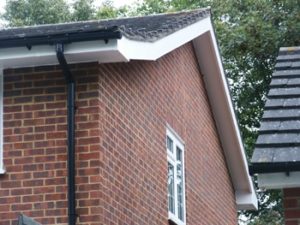
UPVC fascias are boards fixed to the edges of the roofline, directly supporting the lower edge of the roof and functioning as a protective barrier against weather aspects. They are usually used to cover the rafter ends, offering a tidy surface while ensuring that the roofing remains structurally sound.
Advantages of UPVC Fascias
The benefits of utilizing UPVC fascias over conventional products like wood or metal consist of:
| Benefit | Description |
|---|---|
| Resilience | UPVC fascias are resistant to rot, warping, and insect damage, making them a lasting choice. |
| Low Eaves Maintenance | Unlike wooden fascias, UPVC does not require routine painting or staining. A simple wipe-down with a moist cloth suffices. |
| Aesthetic Appeal | UPVC fascias come in numerous colors and designs, enabling house owners to select an appearance that matches their property's architecture. |
| Cost-efficient | Though the preliminary investment may be higher than wood, the long-term savings on repairs and maintenance often exceed the costs. |
| Weather condition Resistance | UPVC fascias are developed to endure the aspects, including UV rays, rain, and extreme temperature levels. |
Installation Process of UPVC Fascias
Setting up UPVC fascias includes numerous steps. Here is a comprehensive breakdown of the process:
Tools and Materials Required
- UPVC fascia boards
- UPVC soffits (optional)
- Nails or screws
- Sealant
- Determining tape
- Level
- Saw (if cutting is necessary)
- Safety equipment (gloves, goggles)
Step-by-Step Installation Guide
Preparation: Remove any existing fascia boards carefully to prevent damage to the roofing system structure.
Measurement: Measure the length of the rafters to identify the lengths of UPVC fascias required.
Cutting: If essential, cut the UPVC Fascia And Soffit Installation boards to the measured lengths utilizing a saw.
Repairing: Using nails or screws, attach the UPVC fascias to the rafter ends. Make sure that they are level and safe and secure.
Sealing: Apply sealant along the edges to supply additional security against wetness.
Ending up Touches: Optionally, set up soffits beneath the fascias for a complete appearance and included ventilation.
Table 1: Installation Steps Overview
| Step | Description |
|---|---|
| Preparation | Remove old Fascia And Soffit Maintenance boards, prepare location for brand-new installation. |
| Measurement | Procedure length and cut the UPVC fascias accordingly. |
| Repairing | Securely attach fascias to the rafters with nails or screws. |
| Sealing | Apply sealant for moisture security. |
| Completing Touches | (Optional) Install soffits for looks and ventilation. |
Maintenance Tips for UPVC Fascias
Although UPVC fascias are understood for their low maintenance, some simple upkeep can prolong their life and appearance:
Regular Cleaning: Wipe down the fascias with warm soapy water to eliminate any dirt or gunk. Avoid harsh chemicals that can damage the product.
Check for Damage: Periodically look for signs of wear and tear, especially after severe weather conditions.
Check Seals: Ensure that the sealant is intact; change if required to prevent wetness ingress.
Trim Nearby Vegetation: Keeping surrounding trees and shrubs cut back can assist prevent debris accumulation on fascias.
Avoid Climbing on the Roof: Direct weight on your fascias can cause damage. Always utilize ladders or scaffolding when dealing with your roof.
Regularly Asked Questions (FAQ)
Q1: How long do UPVC fascias normally last?A: UPVC
fascias can last anywhere in between 20 to 30 years with appropriate maintenance, making them a durable choice.
Q2: Can UPVC fascias be painted?A: While UPVC fascias
can be found in different colors, they are not created to be painted. Any paint used may not adhere well and can shorten their lifespan.
Q3: Are UPVC fascias fire-resistant?
A: UPVC has some level of fire resistance, however it is not totally fire-resistant. Ensure compliance with local building guidelines relating to fire safety.
Q4: Can I install UPVC fascias myself?A: While DIY installation is possible for those with basic home improvement abilities, employing a professional is recommended to ensure correct installation. Q5: How do UPVC fascias compare to wooden fascias?A: UPVC fasciasare more long lasting, need less maintenance, and are typically more
economical in the long run compared to wooden fascias. UPVC fascias are a necessary component of your home's outside that supply both aesthetic appeal
and structural support. With their various advantages, easy installation, and minimal maintenance, they are a superior option compared to traditional materials. By following the ideas detailed in this guide and remaining notified, homeowners can ensure that their Upvc Replacement Soffit Boards (continue reading this) fascias continue to carry out effectively for years to come. Whether you're looking to replace old fascias or thinking about an upgrade, UPVC fascias provide an engaging alternative that lines up with both performance and style.
- 이전글РОЖДЕСТВЕНСКИЙ СПИСОК ЖЕЛАНИЙ (2024) СМОТРЕТЬ ОНЛАЙН смотреть в Full HD 1080 26.03.16
- 다음글Wish to Step Up Your 大雅撥筋後保養方式? You must Learn This First 26.03.16
댓글목록
등록된 댓글이 없습니다.