1029 이태원 참사
14 Smart Ways To Spend Your On Leftover Buy Fireplace Budget
페이지 정보

본문
A Comprehensive Guide to Buying a Fireplace
Purchasing a fireplace is not practically picking a heating home appliance; it involves understanding numerous types, designs, advantages, and setup requirements. With a variety of options available, making a notified choice is important to guarantee that your investment fulfills both your aesthetic desires and practical requirements. This guide will explore the essential factors to consider for buying a fireplace, breaking down essential info into absorbable areas to assist possible purchasers in making a knowledgeable decision.
Types of Fireplaces
Before diving into the purchasing process, it's important to acquaint yourself with the various kinds of fireplaces offered on the marketplace. Each type has its distinct features, advantages, and setup requirements. Below is a detailed table summing up the primary types of fireplaces:
| Type | Fuel Source | Installation | Pros | Cons |
|---|---|---|---|---|
| Wood-burning | Firewood | Requires a chimney | Standard atmosphere, economical fuel | Requires routine cleansing, limited control |
| Gas | Gas or lp | Needs venting | Simpler to utilize, cleaner emissions | Reliance on gas supply, less environment |
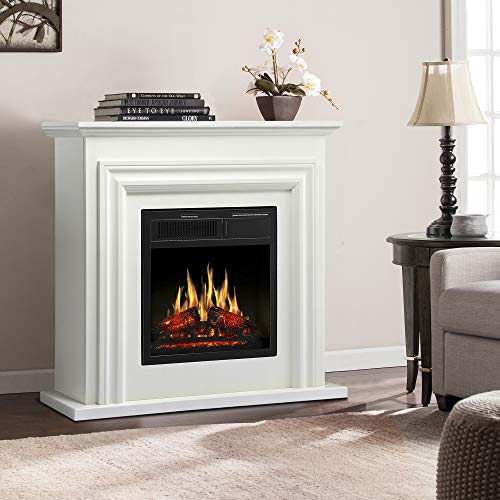
| Electric | Electricity | No venting required | Easy installation, minimal upkeep | Less authentic fire experience |
| Ethanol | Ethanol fuel | No venting required | Portable options, can be utilized indoors | Greater fuel cost, less heat output |
| Pellet | Wood pellets | Needs venting | Eco-friendly fuel, effective and eco-friendly | Requires electrical power for operation |
Factors to consider When Buying a Fireplace
When purchasing a fireplace, a number of essential elements must influence your decision. Here's a breakdown of the essential considerations:
1. Purpose
Identify the primary function of the fireplace. Is it for heating a room, producing atmosphere, or both? Comprehending the function will significantly narrow down your choices.
2. Area
Evaluate the available space in your home. A large, open location may accommodate a conventional wood-burning fireplace, while a smaller area may be better suited for an electrical or ethanol design.
3. Installation
Think about the setup requirements for each fireplace type. Some might need professional installation, especially if venting is involved, while others are more DIY-friendly.
4. Maintenance
Examine how much time and effort you can commit to upkeep. For example, wood-burning fireplaces need significant maintenance, while electrical fireplaces need very little care.
5. Expense
Develop a budget plan that represents the purchase price, setup expenses, and ongoing fuel expenses. It's essential to think about both initial and long-lasting monetary commitments.
6. Style
Select a design that matches your home's interior design. Modern, rustic, or standard, the fireplace can be a focal point or mix into the environments.
Purchasing Process
Step 1: Research
Conduct thorough research on various fireplace types, functions, and brand names. outdoor Stoves Online resources, reviews, and check outs to showrooms can supply important insights.
Step 2: Set a Budget
Determine your budget plan, including installation expenses and any extra accessories. Having a clear budget will assist you make focused decisions.
Step 3: Choose a Type
Based on the above considerations, pick the kind of fireplace that best suits your requirements. Refer back to the table for a fast comparison.
Step 4: Consult Professionals
For installations that require venting or complicated setups, seeking advice from an expert can provide guidance on the finest alternatives for your home.
Step 5: Purchase
Once you have picked the type and secured professional guidance, make your purchase. Guarantee that service warranties and return policies are thoroughly comprehended.
Often Asked Questions (FAQ)
Q1: Do I need a permit to install a fireplace?
Yes, regional structure codes typically require permits for fireplace setup, specifically for wood-burning or gas fireplaces. It's recommended to check with your regional authorities.
Q2: How typically should I clean my wood-burning fireplace?
A wood-burning fireplace needs to be cleaned up at least once a year. This includes chimney sweeping to prevent creosote accumulation, which is a fire hazard.
Q3: Can I convert my wood-burning fireplace to gas?
Yes, it is possible to convert a wood-burning fireplace to gas, however this needs professional installation and may involve changes to the existing structure.
Q4: What is the most efficient kind of fireplace?
Gas and pellet fireplaces are frequently considered the most efficient, as they offer constant heat and better control over burn rates compared to conventional wood-burning fireplaces.
Q5: Are electric fireplaces safe?
Yes, electric fireplaces are usually safe. They do not produce real flames, lowering the risk of fire, and lots of models feature safety features like automatic shut-off.

Buying a fireplace can enhance your home's warmth, ambiance, and value. Understanding the different types, installation requirements, upkeep requirements, and style options is important for deciding that will serve you well for several years to come. By keeping the essential factors to consider in mind and following the purchasing process detailed in this guide, you can pick the perfect fireplace that complements your way of life and home.
As winter season techniques and the requirement for heat ends up being critical, let this guide help you navigate the world of fireplaces. Delighted fireplace shopping!
- 이전글Vodka Casino 26.03.15
- 다음글See What Best Counterfeit Money For Sale Tricks The Celebs Are Utilizing 26.03.15
댓글목록
등록된 댓글이 없습니다.