1029 이태원 참사
You'll Never Be Able To Figure Out This Shipping Container Office's Se…
페이지 정보

본문
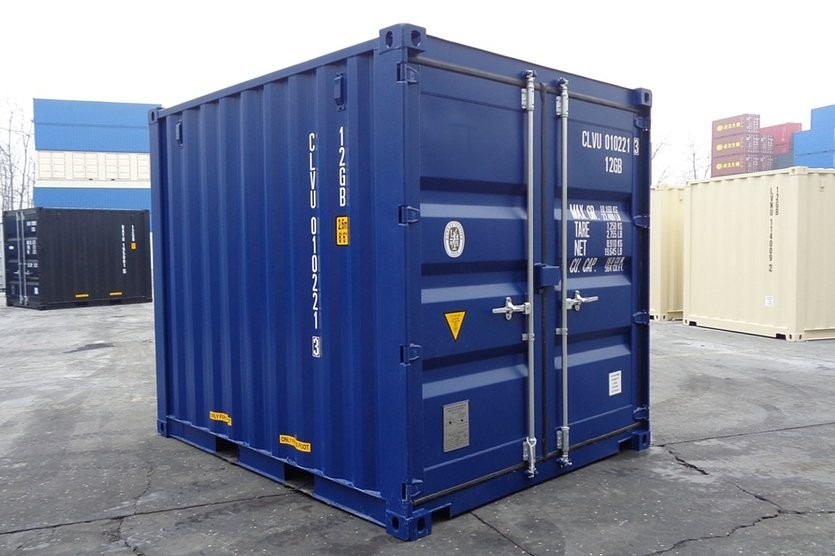
Shipping Container Offices: A Sustainable Solution for Modern Workspaces
As services explore ingenious solutions for office design, shipping container offices have actually become a popular and viable choice. Combining sustainability, cost-effectiveness, and flexibility, these structures are gaining recognition in numerous sectors, from start-ups to universities and construction business. This blog site post will dive into the advantages, difficulties, and total pattern of utilizing shipping containers as workplaces, complete with insights and a detailed FAQ section.
What is a Shipping Container Office?
A shipping container office is an ingenious work space created from repurposed shipping containers. These metal boxes, at first designed for transferring items throughout the seas, can be transformed into practical office areas with the right modifications. They can be modified thoroughly to include windows, doors, insulation, and total electrical and pipes systems.

Table 1: Key Features of Shipping Container Offices
| Function | Description |
|---|---|
| Eco-Friendly | Upcycling containers reduces waste and promotes sustainability. |
| Economical | Lower expenses compared to conventional builds; less time and labor required. |
| Modular Design | Easily expandable and personalized based on requirements. |
| Portable | Containers can be relocated if business requires modification. |
| Quick Setup | Quick to construct, with lead times often determined in weeks rather than months. |
Benefits of Shipping Container Offices
Shipping container offices feature a selection of benefits, making them a favorable option for businesses looking for innovative solutions.
1. Sustainability
One of the most considerable advantages of shipping container workplaces is their eco-friendly nature. By repurposing existing products, services can decrease their carbon footprint and contribute to a circular economy. The ecological effect of traditional construction can be substantial; therefore, shipping containers present an appealing alternative.
2. Cost Efficiency
Transforming a shipping container into an office is typically much less expensive than developing a traditional structure. Cost cost savings stem from reduced basic material costs, shortened construction timelines, and lower labor expenses. Companies can assign their savings to other essential areas, such as marketing or employee advantages.
3. Flexibility and Customization
Shipping Container Construction container workplaces provide modular designs that quickly get used to particular needs. Whether you need a single container or multiple connected systems to create a larger compound, personalizations can consist of heating and cooling systems, home furnishings, and visual enhancements.
4. Portability
In an age where business dynamics can change quickly, the ability to relocate is important. Shipping container workplaces are portable and can be relocated to different locations as business requirements evolve. This flexibility is perfect for business in construction, occasions management, or those often altering locations.
5. Quick Setup
Container workplaces can typically be built in a fraction of the time it takes to erect conventional structures. With lead times often decreased to weeks, this can benefit services that require to scale rapidly or begin operations quickly.
Table 2: Common Uses of Shipping Container Offices
| Application | Description |
|---|---|
| Short-lived Offices | Perfect for construction websites or pop-up organizations. |
| Mobile Classrooms | Ideal for universities seeking versatility. |
| Remote Workspaces | Offers necessary centers in remote locations. |
| Pop-Up Shops | Ideal for retail environments desiring a short-lived existence. |
| Event Management | Quick setup for occasions needing office space on-site. |
Obstacles of Shipping Container Offices
While shipping container workplaces provide numerous advantages, there are likewise challenges that companies ought to consider.
1. Zoning Regulations
Local zoning laws may present hurdles for using shipping containers as workplaces. Companies should browse guidelines concerning land use, zoning compliance, and structure authorizations. It's a good idea to work carefully with regional authorities before proceeding with any strategies.
2. Insulation and Ventilation
While shipping Flat Rack Containers are robust, they can end up being incredibly hot or cold without appropriate insulation. Companies require to invest in high-quality insulation and appropriate ventilation systems to keep convenience for employees.
3. Visual Concerns
Transforming a repurposed Refrigerated Shipping Containers container into an attractive office environment can require substantial effort, including extra design aspects such as paint, landscaping, and interior home furnishings.
4. Security Issues
Shipping containers supply a certain level of security due to the fact that of their rugged construction. However, they can also draw in theft and vandalism if not secured correctly. Additional procedures, such as security video cameras and locks, may be needed.
Table 3: Common Challenges of Shipping Container Offices
| Obstacle | Description |
|---|---|
| Zoning Regulations | Irregularity in regional laws can prevent container use. |
| Insulation Needs | Need to be effectively insulated for temperature control. |
| Visual Enhancement | Requires extra design work for a pleasant environment. |
| Security Concerns | May attract attention without appropriate security steps. |
In the ever-evolving business landscape, shipping container offices present an engaging option to conventional workplace. With benefits such as sustainability, cost effectiveness, and versatility, companies can harness these structures to accommodate their varied needs. While there are difficulties to think about, mindful planning and execution can cause a successful execution of this innovative workspace solution.
FAQ
1. Are shipping container workplaces weatherproof?Yes, shipping containers are
designed to endure severe weather conditions. Nevertheless, modifications such as insulation and ventilation are needed for ideal office conditions. 2. How much does it cost to convert a shipping container into an office?Costs can vary widely based on the level of customization, products used, and any needed authorizations. A basic setup may start around ₤ 10,000, however substantial modifications can increase costs considerably. 3. Can shipping containers be stacked?Absolutely! Shipping containers can be stacked safely to produce multi-level office areas, using extra square video footage in a
compact footprint. 4. How long does it require to construct a shipping container office?Typically, building a shipping container office can take anywhere from a couple of weeks to a couple of months,depending upon the extent of the modifications required. 5. Do shipping container offices require foundations?While they are strong enough to sit on a level surface area, developing a structure can supply stability and raise the structure, especially in flood-prone areas. Shipping container offices illustrate how development and resourcefulness can reshape modern-day workspaces, emphasizing a sustainable technique to business. As more organizations acknowledge the advantages of using what is easily available, the pattern of container offices is most likely to
continue broadening.
- 이전글Why No One Cares About Austrian Drivers License Consulting 26.03.14
- 다음글Guide To Accident Compensation Attorney: The Intermediate Guide In Accident Compensation Attorney 26.03.14
댓글목록
등록된 댓글이 없습니다.